Skip Hire in Penge for practical waste collection and straightforward site clearance

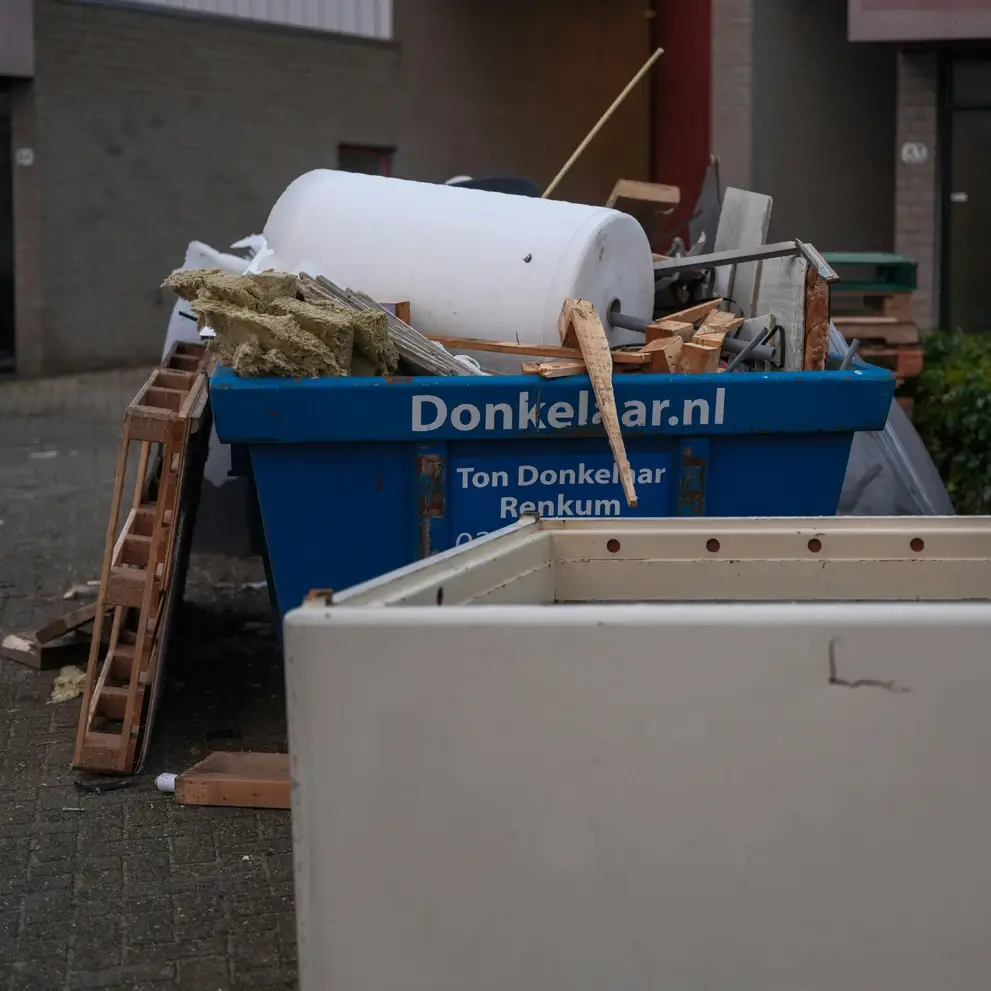
Skip hire in Penge is a simple way to manage bulky rubbish, mixed building debris and recurring waste from home or trade work. Our service is centred on giving customers a clear route to the right skip size, a sensible hire period and a clean collection process, so the waste leaves the property without turning the day into a bigger task than it needs to be.
We support domestic clear-outs, renovation waste and smaller commercial loads with options that suit different access arrangements and different types of material. If you are planning a one-off clearance, a phased project or an ongoing stream of debris, our approach is to keep the choice plain: select the skip type that fits the waste, arrange delivery, fill it correctly and have it taken away when ready. It is a practical service first, built around containment and removal rather than overcomplication.
For customers who want to compare the main choices before ordering, the skip sizes and prices page is a useful place to start. That can help you match the load to the container before you move on to a booking decision, and it keeps the conversation focused on the actual waste rather than guesswork.
Domestic skip hire for household clear-outs and refurbishment waste
Household projects often generate a mix of awkward and ordinary waste in the same week. Old furniture, broken fittings, packaging, stripped plaster, timber offcuts and general clutter can all build up quickly during decorating, flooring changes or an annual clear-out. Our domestic skip hire is designed to give you one place for that material, which is usually more manageable than repeated car trips or overfilled bins.
Different jobs suit different skip capacities, and the best option depends on what is being removed as well as how much there is. A light home declutter may only need a modest container, while a kitchen update or a larger property clearance may call for a more substantial choice. If the load is mostly inert rubble or soil, the mix changes again. The key is to choose for the waste stream you actually have, not simply the space you think you may need later.
For an overview of what normally goes into a container and what needs separate handling, see what can go in a skip. That guidance can prevent avoidable delays and makes it easier to plan the contents before collection day arrives.
Builders skip hire for renovation, demolition and trade waste

Building work produces a predictable but often heavy mix of waste, and skip hire helps keep it contained while the job is underway. We support renovation debris, demolition fragments, broken fixtures, packaging and site rubbish that can otherwise slow progress when left in piles around a property. Keeping the waste together also makes it simpler to sort sensible loads for disposal once the work phase is complete.
For construction activity, the main issue is often not just volume but weight and composition. Bricks, concrete, tiles and soil behave very differently from lightweight packaging or plasterboard. That means the practical decision is usually about selecting a skip that suits the dominant material and loading it in a balanced way. If the work is continuous, an arranged collection cycle can be more useful than waiting until the end of the entire project.
If your project is more substantial, builders skip hire gives a more focused option for renovation and construction waste. For jobs involving heavier or more awkward mixed loads, the construction waste disposal page may also help you decide which route is the best fit.
Commercial skip hire for offices, shops and regular business clearances
Businesses need waste collection that is dependable without being overdesigned for the task. Our commercial skip hire supports office moves, refits, storage clearances and routine disposal from premises that produce mixed rubbish over time. That can include cardboard, packaging, old fixtures, shelving, archive material that is not confidential, and general non-hazardous waste from day-to-day operations.
Commercial customers often benefit from arranging waste removal around access windows, deliveries and trading hours. A well-placed skip can reduce internal clutter and keep exits, service yards and loading areas easier to use. When the rubbish is spread across several departments or floors, it can also help to stage disposal in a planned way, rather than trying to clear everything in one rush. That is especially useful where staff need to keep working around the waste.
For larger business clearances, the commercial skip hire page is a sensible next step. If the job involves an office move or vacated workspace rather than general trade debris, office clearance may be the better description of the task.
Site clearance, grab hire and when a different method may suit better
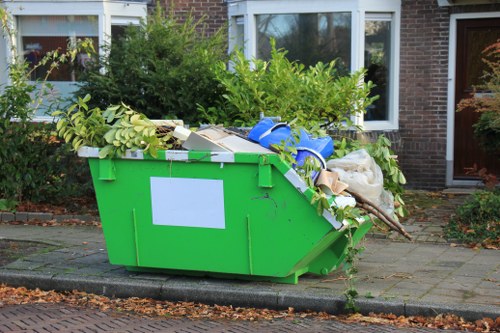
Not every waste job is best handled by a standard skip alone. Some projects involve loose, heavy or awkward material spread across a yard, garden, plot or work area. In those cases, site clearance can be the more efficient answer because it is organised around removing the waste from the area itself rather than asking you to load everything into a container first.
Grab hire is often considered where the waste is piled up in a way that is hard to access or where the load is particularly bulky. It can be useful for large volumes of mixed waste, soil or hardcore, especially where manual loading into a skip would be time-consuming. The right choice depends on access, the quantity involved and whether the material is already stacked or still scattered.
For a broader look at non-skip collection routes, you may want to view grab hire services alongside site clearance. If the load is especially loose and needs handballing or loading help rather than container hire, man and van and rubbish removal can be worth comparing as well.
Garden, garage and house clearance options for bulky household waste
Domestic waste is not always neatly separated by room or project. Garden work can create branches, hedge cuttings, soil and old fencing, while a garage or loft clear-out may reveal broken tools, stored furniture, boxes, old toys and general clutter that has been left for years. Skip hire is often the easiest way to manage that kind of varied load because it keeps the waste together while you work through the space at your own pace.
Where the job is more than simple rubbish removal, the structure of the service matters. A garden clearance load may contain green waste alongside hard landscaping debris, while a house clearance can bring together items from several rooms with different disposal needs. In practice, that means thinking carefully about what is likely to be found before the container arrives. A clearer plan at the start usually leads to smoother loading and fewer last-minute decisions.
Related options such as garden waste removal, garage and loft clearance and house clearance can be helpful when the task is more specific than a standard skip request. If appliances or large furniture are also involved, fridge and appliance removal and mattress and sofa disposal may support the wider clearance.
How to plan a skip hire order without overcomplicating the job
One useful way to prepare is to make the waste decision before the collection decision. If you know the main material, the likely volume and the access at the property, you can narrow the service quickly. That saves time and reduces the chance of ordering something too small for a bulky project or too large for a modest clear-out. Photographs can help when the waste is mixed or access is awkward, but the most useful information is still a plain description of what needs to go.
An organised list of the main items can also help if the waste comes from several parts of the property. For example, rubble from one room, timber from another and broken fittings from a garden shed may all sit in the same project, but the mix will affect the best container choice. If there are items that need special handling, note them clearly before arranging the job. That keeps the service focused and prevents avoidable misunderstandings when the waste is collected.
When you are ready to move on, book online if you want to take the next step quickly, or use the pricing and quotes page if you would like to request a quotation first. Either route keeps the process straightforward and gives you a clear basis for deciding what to do next.
Waste types, restricted loads and safe disposal choices
Good skip hire depends on placing the right waste in the right route. General household rubbish, timber, rubble, soil and non-hazardous building waste can often travel together when they are compatible, but some materials need separate treatment or specialist disposal. That is why it helps to look at the composition of the load before the job begins, not after the skip is full.
Some items can affect how a skip is used, especially if they are hazardous, very heavy, or likely to contaminate otherwise normal waste. Paints, chemicals, batteries, pressurised containers and certain electrical or refrigerant-based appliances are commonly handled outside standard mixed waste streams. Where necessary, those items should be dealt with separately so that the main container remains suitable for ordinary rubbish and demolition material.
To check the practical rules for waste streams and exclusions, see hazardous waste disposal and fridge and appliance removal. If you are comparing broader disposal standards, the recycling and sustainability page sets out the approach to responsible waste handling in a useful, non-technical way.
About Penge
Penge is a district in south-east London, positioned within the London Borough of Bromley and close to the boundary with the London Borough of Lewisham. Historically it developed from a village on the edge of the larger metropolitan area into a built-up suburb with a varied high street, residential streets and links to surrounding neighbourhoods. The area’s character is shaped by this blend of older urban fabric and later development, which has left it with an everyday local feel rather than a single uniform centre. St John the Evangelist Church, with its prominent tower, is one of the best-known landmarks and has long been a visual reference point in the district. The Crystal Palace Park area lies nearby and remains closely associated with Penge in the local imagination, even though it spans a wider setting and draws visitors for its open landscape, paths, sports facilities and historic traces of the original Crystal Palace story. Transport connections have also played a strong part in the district’s development, with rail routes making the area part of a broader south London commuting pattern. The local street network includes terraced housing, small commercial parades and roads that reflect different phases of suburban expansion. Penge retains a practical, lived-in quality, with a mix of shops, homes and everyday amenities that support ordinary local life rather than a purely ceremonial town centre. That combination of history, neighbourhood character and access to green space gives the district a distinct identity within outer London.
Choosing the right skip size, access arrangement and collection timing
Once the waste type is clear, the next decision is usually about the container itself. Skip size affects how much you can load, how neatly the material can be stacked and how easily the container can sit at the property. Access matters too, because some locations have narrow drives, limited front space or parking constraints that shape what can be delivered. A practical hire plan takes those limits into account from the start rather than trying to solve them on the day.
Collection timing is another small decision that can have a big effect on convenience. Some customers prefer to fill the skip gradually over a few days, while others want it removed as soon as the waste is cleared so the site can be used again. The best arrangement depends on the pace of the work, the space available and whether the waste is being created all at once or in stages. If the job changes halfway through, a revised approach may be more useful than forcing the original plan to fit.
For a quick route through the main options, same day skip hire and wait and load skip hire describe two different ways of handling time-sensitive waste. If access is a concern, enclosed and lockable skip hire may also be worth reviewing for added containment and a different loading style.
Final steps for a quotation and a sensible booking decision

If you are ready to request a quotation, the most useful details are the waste type, the approximate amount, the property access and the preferred timing. Those points help narrow the service to something realistic and avoid uncertainty later. You do not need to overstate the load or describe every item individually, but a clear summary of the project gives the best starting point for a sensible price discussion and a suitable hire arrangement.
For customers comparing different ways to arrange disposal, it may also help to look at skip permits if the container will be placed where public permission is relevant, and skip hire for the core service overview. If you are still deciding between collection methods, the contact route can follow once you have matched the service to the waste and the site layout.
Request your quotation today and choose the skip hire option that fits your project in Penge. If you are unsure which page is the best starting point, begin with the service most closely matched to your waste, then move on to a quotation request when you are ready.